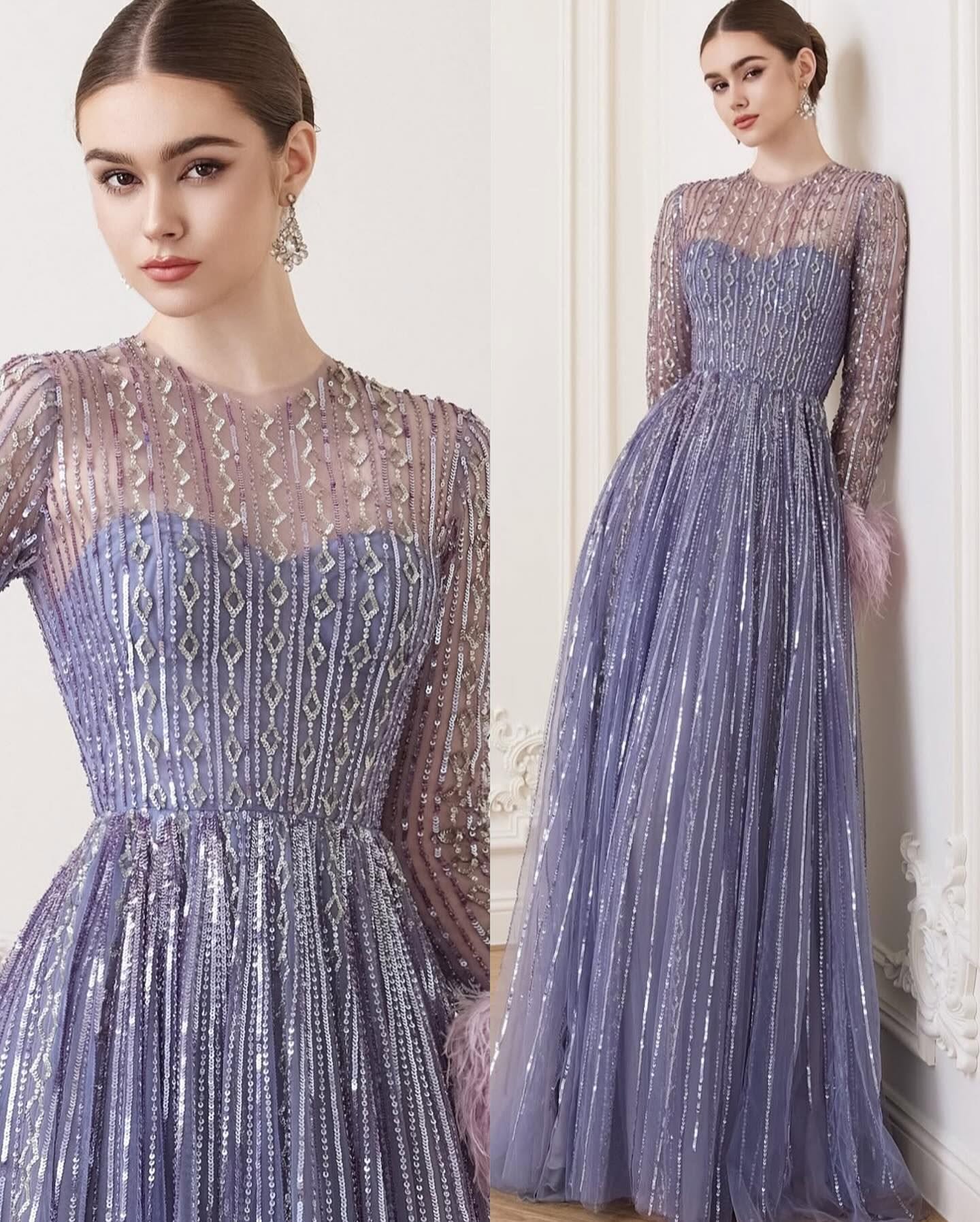


The embroidery lace story

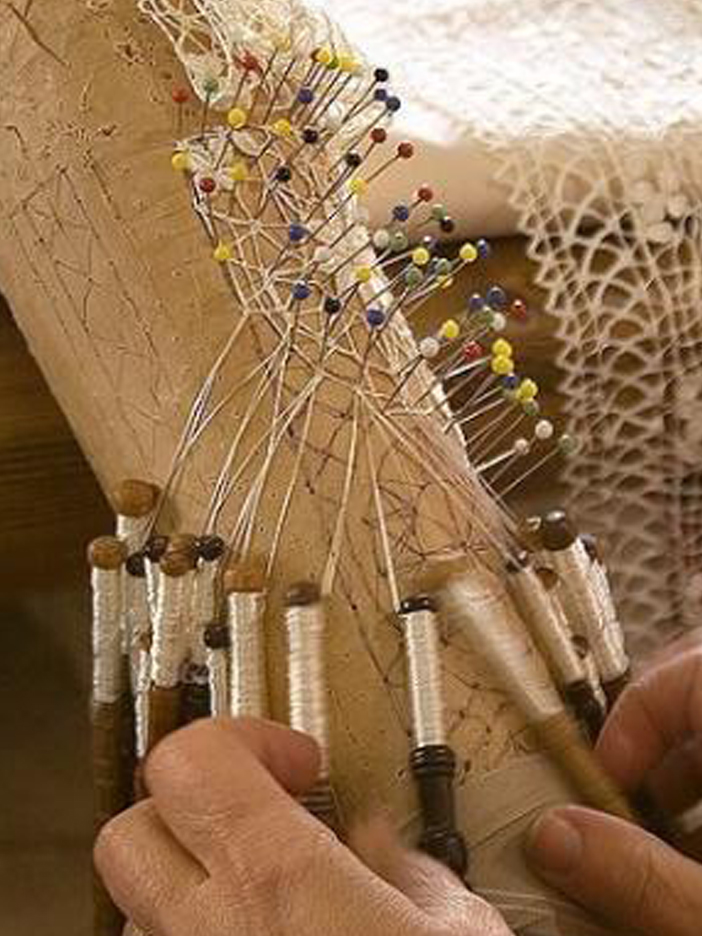
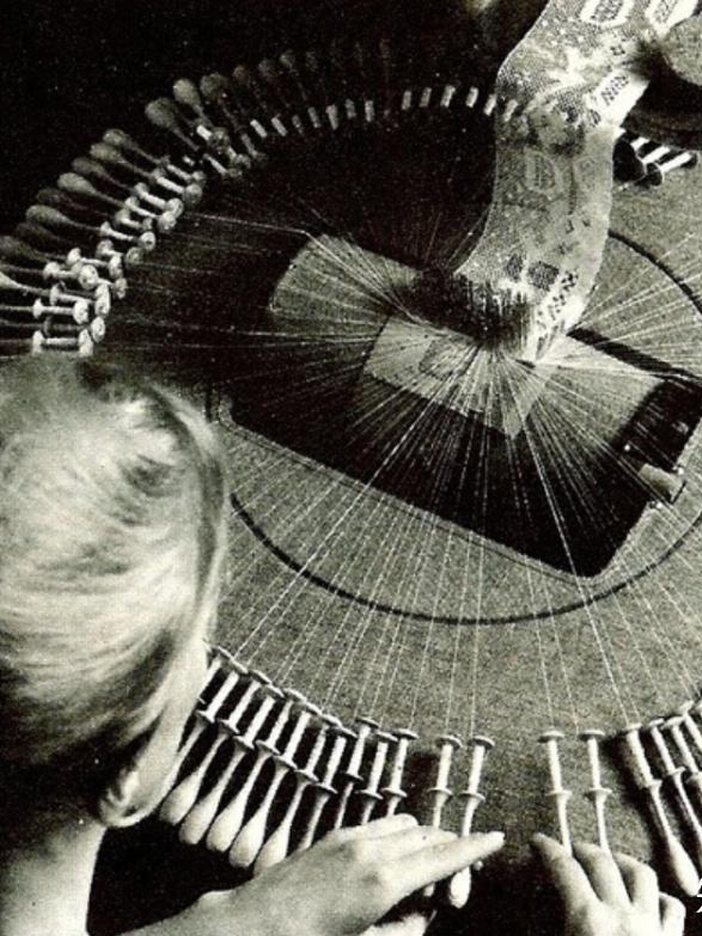
As a craft born out of embroidery, lace was first used on the worship uniforms of Catholic clergy. Until the 16th century, the use of lace gradually became popular in tablecloths, collars, handkerchiefs, fans, wedding dresses, etc. In the early days, lace was once a symbol of the status and status of European royal families. With the development of western industrialization, lace became a kind of Classic weaving techniques and unique clothing fabrics.
In Europe in the 14th century, most of the islanders made a living by fishing. Men went out to fish, and women took care of the housework. When they got together, they would weave fishing net-shaped handkerchiefs or other things to express the wives’ longing for their husbands. , Slowly, this kind of thing evolved into lace, and the romantic legend on the island created the rise of Burano's handmade lace workshop.
Timeless ancient craftsmanship
The production of traditional handmade lace is very complicated. It uses yarn or silk thread to weave according to the designed pattern, which is different from the traditional oriental crochet or embroidery. When making lace, silk thread should be wound on small shuttles. Each shuttle is very small, and a simple pattern requires dozens or nearly a hundred of such small shuttles, and complex patterns require more. Put the pattern next to it when making it, and use different techniques such as weaving, knotting, winding, etc. to make it. Moreover, the production of lace is also particularly time-consuming. A less complicated lace pattern requires a skilled female worker to spend at least a month or even longer to complete. Everyone has a different way of weaving lace, so lace products are generally completed by one person alone, which is why each lace is unique.
Change through time
Lace production in France was organized and promoted in the 1660s by Jean-Baptiste Colbert, Louis XIV's Minister of Finance. During the reign of Louis XIV, French women were obsessed with finely crafted Venetian lace and spent huge sums of money on it. But at that time, the economic situation in France was not good. In order to avoid this situation from continuing, there was the first "state-owned" lace workshop in France.
In the 18th century, the production of lace in France was quite specialized. Although the production techniques and pattern designs of different origins influenced each other, lace from various places gradually showed different styles.Compared with the past, lace in this period appeared more on women's clothing, and the pattern design and layering were also richer.
The advent of mechanization
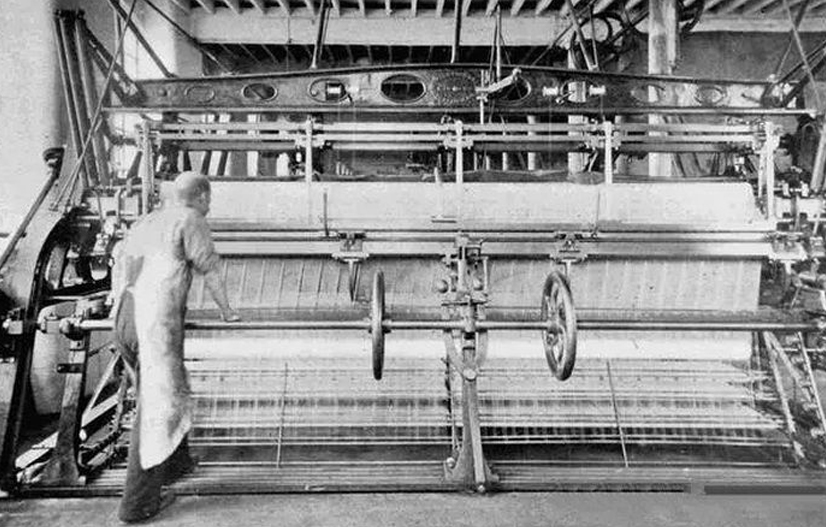
The production of good quality lace (both needlework and bobbin lace) is quite time consuming. Even though the lace production technology is almost perfect and the production is divided into labor, each worker can only focus on one needlework and pattern, so the production efficiency of handmade lace is still very low. At the same time, as the demand for lace increased greatly and technology gradually dominated the market, a new production method capable of producing lace quickly and in large quantities was put on the research and development agenda. The machines for producing lace were finally built in the late 18th century and were perfected in the early 19th century.
In 1816, the French introduced lace looms from England, and Calais became the first stop for lace looms to enter France because of its unique geographical location. With the promotion of machines, in 1828, Calais became a lace production center with more than 200 looms and 4,000 workers. But the lace craft did not stop here. In 1835, an innovative loom that could make patterns similar to hand-woven patterns came out. Since then, the machine can also produce exquisite lace, and the efficiency has been greatly improved. In the field of luxury goods, handmade lace is reserved, but machine production has had a major impact on the lace industry, and lace has begun to enter the homes of ordinary people.
In the 1860s, as missionaries were introduced to my country's coastal treaty port cities, lace collided with Chinese embroidery techniques, and developed lace fabrics with Chinese characteristics, and more elegant and delicate lace products were born...

It is a versatile decorative material for bridalwear brands, garment manufacturers, fashion designers, and wholesale fabric buyers seeking distinctive lace details for their collections.

As shown in the image, the wedding dress combines delicate embroidered lace fabric with a lightweight sheer mesh base. Elegant floral and scrolling motifs extend naturally from the fitted bodice to the full skirt, creating a sophisticated combination of texture, dimension and visual depth.